Most People Visit Doctors When They Are Sick – But What If You Can Prevent The Disease Before?
It is the power of a full body checkup – a broad medical control that helps detect early signs of diseases and keep your health on the track. In today’s lifestyle for sharp transit, where stress, pollution, irregular sleep and poor dietary habits are common, preventive health screening has become more important than ever.
Regular controls can uncover hidden health risks and give things a chance to take timely action before it gets serious. From identifying vitamin deficiency, a complete body control provides a complete picture of your good, from identifying vitamin deficiency to capturing early signs of lifestyle diseases.
Whether you are in the 30s or 60s, it is no longer optional to be active about your health – it is necessary. This blog explains what is involved in complete body control, why it means something, and who should prioritize it.
What is a full body checkup?
A full body checkup is a comprehensive preventive health screening that assesses the general function of your vital organs, including heart, kidney, liver, lungs and more. This is not just about the treatment of the disease – it is about early detection of health problems, sometimes before you appear. This active approach to health helps to early disease detection in conditions such as diabetes, high blood pressure or liver disorders.
How many times are you going to do?
Doctors recommend a medical checkup at least once a year, especially if you are more than 30, leading a sedentary lifestyle, or it is a family history of lifestyle diseases.
Original vs Advanced Package:
Basic health checkup packages include important diagnostic tests, while advanced people provide intensive analysis such as heart screening, cancer markers and imaging based on age or risk factors.
Key Tests Included in a Full Body Checkup
Large tests involved in a full body checkup
Test types include testing
Blood test CBC (full blood count), blood sugar (fasting/pp), lipid profile
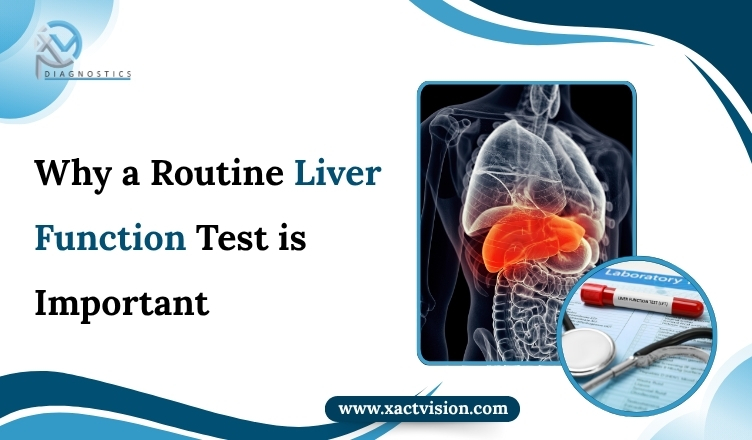
Liver Function Test (LFT) Bilirubin, Sgot, SGPT
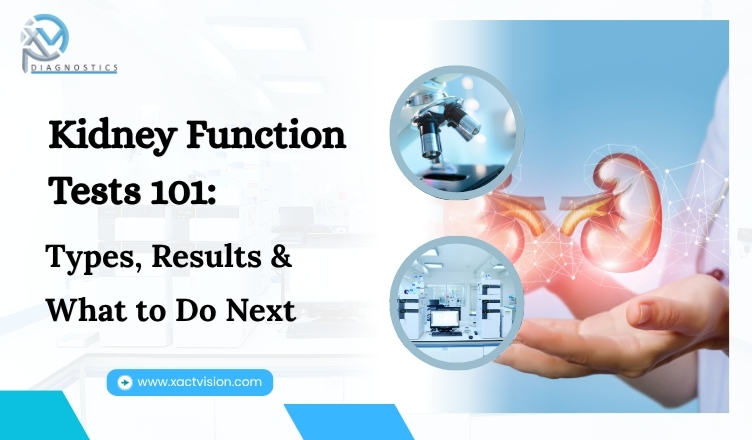
Renal function test (KFT) urea, creatinine, electrolytes
Heart and lung ECG, X -ray of the chest
urine analysis
Thyroid profile TSH, T3, T4
Vitamin Level D vitamin, vitamin B12
AD-ON (for age 40+) TMT (treadmill test), abdominal ultrasound, psa (male), pap butter (female)
These diagnostic tests provide a clear picture of your general health and highlighting problems that require attention.
Why it does matter
A full body checkup plays an important role in maintaining long -term health by presenting a complete picture of your internal health. This is not just a common study – this is an active approach to detect, handle and prevent diseases before growing.
-
Early disease detection
One of the main benefits of preventive health screening is to Early disease detection in general lifestyle diseases like :
Diabetes
high blood pressure
high cholesterol
fatty lives
These conditions often develop quietly and slowly. By recognizing them early through diagnostic tests, timely lifestyle changes or treatment can prevent long -term injury.
-
Assessment of organ function
Regular medical checkups provide valuable insight into how your organs work. Test rating:
Liver and kidney display
The heartbeats and ECG
Thyroid Health (TSH, T3, T4)
Nutrition shortage, especially vitamin D and B12
This enables corrective measures before the symptoms worsen.
-
Prevention of treatment
Most serious diseases do not occur overnight. Routine health checkup package with health helps to capture warning signs such as high sugar level or abnormal liver function, which allows intervention before an illness, which becomes chronic or life -threatening.
-
Silent Illness Detection
Some diseases – such as renal dysfunction, hypothyroidism or light fat life – do not show visual symptoms. A full body checkup reveals these quiet dangers and ensures that nothing is noticed.
-
Peace of Mind
Being under the control of your health provides emotional relief. When you know that your organs work well and that there is no hidden problem, it gives confidence and security – a precious result of regular preventive health screening.
Who will get a full body checkup?
Many people think that medical controls are only necessary when they get sick – but this mentality can be dangerous. A full body checkup is needed for everyone, especially if you belong to any risk groups. It is more important to be activated through preventive health screening, with increasing spread of lifestyle diseases such as diabetes, high blood pressure and high cholesterol.
-
More than 30 people
Health experts recommend that people over the age of 30 should undergo a regular health checkup package at least once a year. This occurs when the body begins to show early symptoms of wear, and chronic diseases often begin to grow quietly. Common clinical tests at this age can detect early illness, which can make treatment easy and more effective.
-
Working professional and sedentary lifestyle persons
If you spend most of your day on a desk with minimal physical activity, you are at high risk of lifestyle diseases. Long -term working hours, mental stress, lack of exercise and unhealthy eating habits increase the opportunities for developmental conditions such as obesity, heart disease and oily life. Medical control helps keep these risks under investigation.
-
People with family history with chronic diseases
If diseases such as diabetes, heart problems, cancer or thyroid disorders in your family continue, regular testing of full body checkups becomes even more important. Genetics can affect your health, and only regular screening can help you stay forward.
-
Smokers, drinkers and irregular lifestyle followers
People who smoke often use alcohol, or have irregular sleep and diet patterns, should carefully monitor health. These habits accelerate internal damage, which makes preventive health screening significant for long -term welfare.